
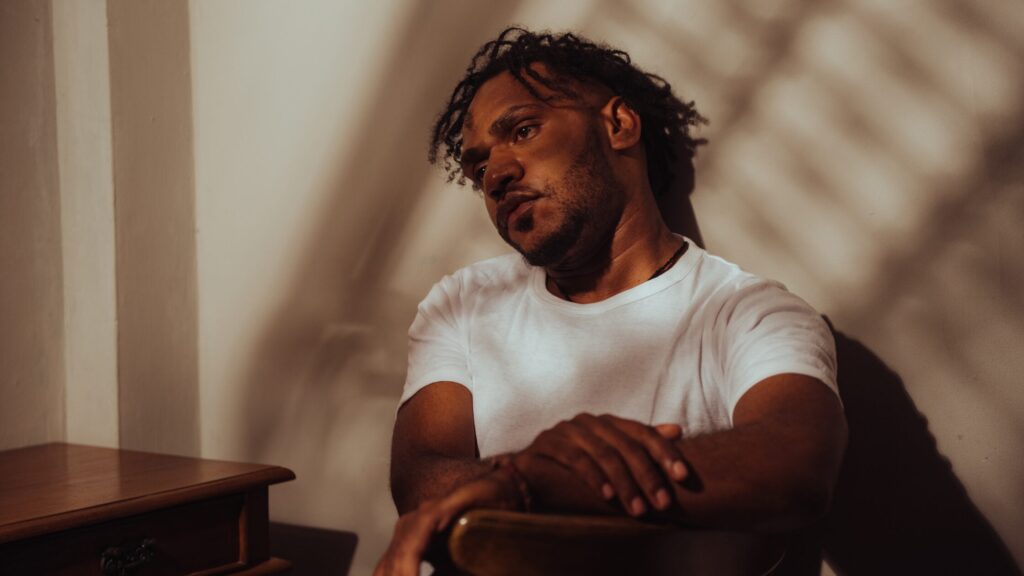
Divorced, Struggling, and Silent:
How Modern Masculinity Fuels Men’s Mental Health Challenge
Divorce reshapes lives; emotionally, financially, and socially, but its impact on mental health is unevenly distributed. Research shows that men often experience more severe psychological distress after divorce compared with women, including higher rates of depression, anxiety, isolation, and suicide risk. Studies on masculine identity suggest that modern expectations and cultural pressures around masculinity can interact with these mental health risks, amplifying distress in men and even appearing earlier in teenage years.
Men’s Mental Health After Divorce
Numerous studies find that men are significantly more vulnerable during and after divorce:
- Men face greater suicide risk post separation than women.
- Psychological distress in men can increase sharply in the months following divorce, particularly if social and emotional supports are limited.
- Men are far less likely to seek help, partly due to entrenched norms around self-reliance and emotional stoicism.
These patterns reflect not only emotional pain but also an identity challenge: for many men, roles like husband, provider, and father are linked closely to self-worth. The loss of these roles during divorce can be profoundly destabilising.
Masculinity and Emotional Wellbeing
Traditional narratives often frame masculinity in terms of strength, control, and emotional reserve. But recent work by Michael Ungar in Psychology Today highlights a different picture: many young men want a positive, resilient masculinity, one that is flexible, connected, and emotionally attuned, without dominance or control. He identifies four qualities that are associated with healthy relationships and stronger emotional health: fairness, protectiveness, provision, and attentiveness.
This alternative model suggests that when men are encouraged to express strength with empathy and connection, they are not only better partners in marriage but also more resilient in the face of life challenges such as divorce.
Teen Mental Health and Masculinity
The modern mental health crisis also affects younger males. Research shows that boys and young men are reporting higher rates of anxiety, loneliness, and depression, trends linked in part to changing expectations of gender and identity. Rigid norms that discourage emotional vulnerability can leave boys without the tools needed to process grief, loss, or relationship disruption.
This rising distress in teenage years foreshadows similar patterns in adulthood: emotional disconnection, difficulty forming supportive friendships, and reluctance to seek help. Where bullying, isolation, or identity confusion occur, these risks accelerate, contributing to worse mental health outcomes as men age.
Why Men Experience More Post‑Divorce Distress
Several interconnected factors explain why men can struggle more after separation:
- Loss of Social Support Networks: Men often rely heavily on partners for emotional connection; once relationships end, support networks shrink.
- Stigma Against Vulnerability: Cultural messages about being “strong” or “self‑reliant” discourage emotional expression and help‑seeking.
- Identity Disruption: Roles tied to fatherhood, household leadership, and partnership dissolve rapidly with divorce.
- Lack of Healthy Emotional Models: Without models of masculinity grounded in connection and emotional intelligence, many men are left uncertain how to cope.
Navigating Men’s Mental Health After Divorce
Supporting men through separation requires both awareness and action:
- Encourage open discussions about emotional struggles without stigma.
- Promote professional support earlier, not only when crises peak.
- Build peer support systems, from friendships to therapeutic groups.
- Help men develop adaptive emotional skills such as empathy, reflection, and connection.
Men do not have to face divorce alone, and rethinking masculinity can help redefine strength not as emotional suppression but as emotional resilience and connection.